




-
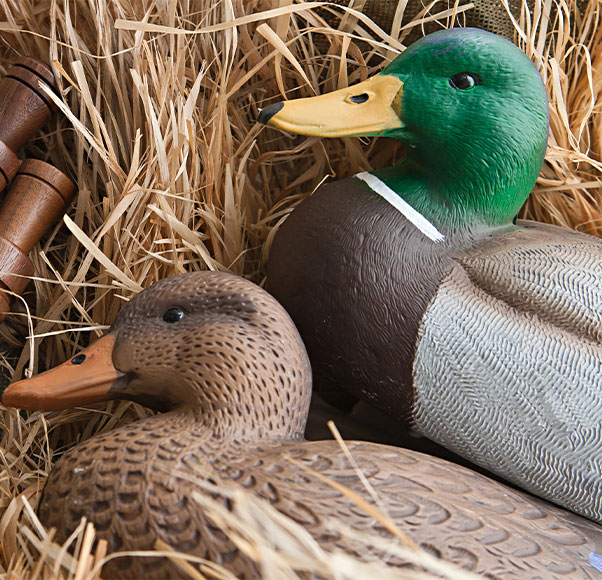
![Hunting Decoy]()
Hunting Decoy
High imitation plastic hunting bait, made of HDPE environmentally friendly material, wind-resistant, sun-resistant and bulletproof, lifelike.Styles can be customized on demand to meet the needs of professional hunting scenes.
View More -
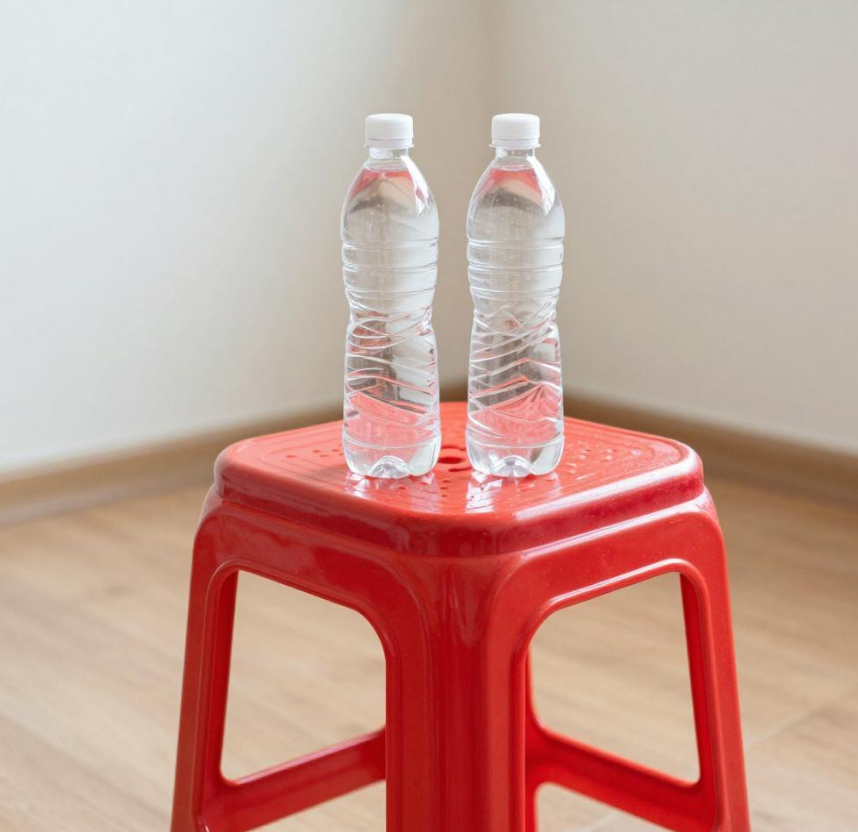
![Daily Necessities]()
Daily Necessities
A collection of good things for home and outdoor life.Environmentally friendly materials, safe and odorless, and convenient for daily use.A variety of edible single products meet daily needs.
View More -
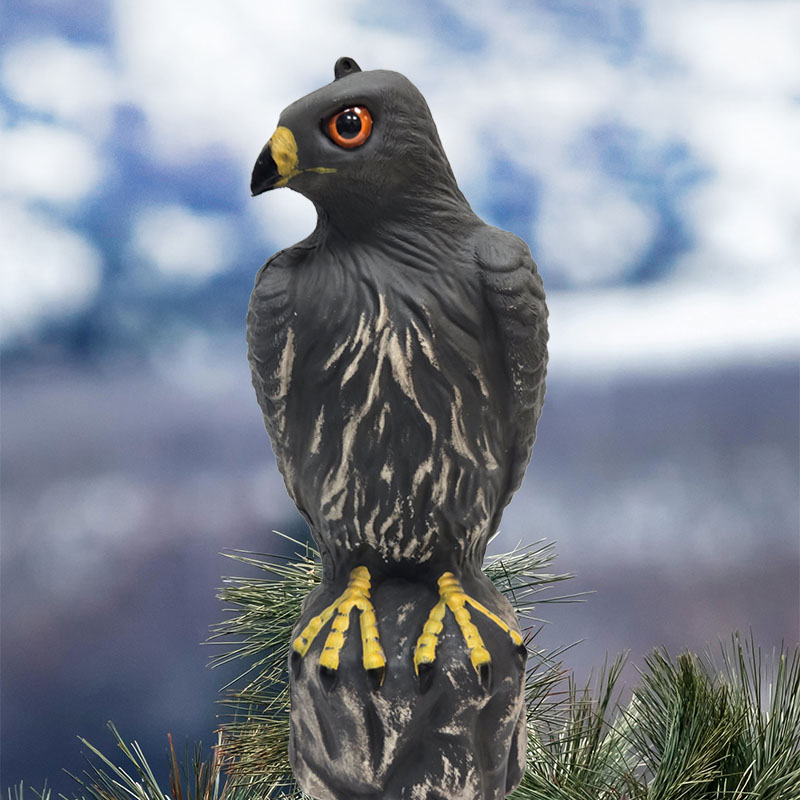
![Pet Supplies]()
Pet Supplies
Pet Plastic Products We offer a wide range of eco-friendly plastic pet products made from non-toxic, safe and recyclable materials. Durable, deformation-resistant, pressure-resistant and shatterproof, they are waterproof and easy to clean.
View More

-

Raw material procurement and inspection
According to the product use (weather resistance, food grade, bite resistance, etc.), PP, PE, ABS, PVC, etc. are purchased.After entering the factory, the purity, melting point, and environmental protection are tested according to standards to ensure compliance with production and export /national standard requirements, and to prevent inferior materials from affecting the quality.
-

Ingredient color matching and drying
According to the customer's color number requirements, the raw material particles and the masterbatch are mixed proportionally to achieve a unified color.Some hygroscopic raw materials need to enter the drying equipment to remove water, to avoid air bubbles, trachoma, and surface defects during molding, and to ensure the appearance and strength of the product.
-

Heating, melting, plasticizing
The mixed raw materials are fed into the barrel of the molding equipment (injection molding / extrusion / blow molding machine), and the solid particles are completely melted into a evenly flowing molten state through external heating + internal shear friction, which is ready for molding.
-

Cooling and setting
Cooling water circulates in the mold to quickly cool down and solidify the high-temperature melt, maintaining the shape, size and structural strength set by the mold.The cooling time is strictly controlled to prevent product deformation, shrinkage, cracking, and ensure dimensional stability
-

Quality inspection
Carry out all tests such as appearance, size, strength, and weather resistance according to standards, and eliminate defective products such as deformation, lack of materials, color difference, and damage to ensure that the pass rate of ex-factory products is up to standard.

-
![STRENGTH FACTORY]()
STRENGTH FACTORY
More than 15 years of OEMexperience in European andAmerican brands, adhere to thehigh-quality boutique strategy
-
![QUALITY SUPPLY CHAIN]()
QUALITY SUPPLY CHAIN
Having a whole industry chainsupply system can ensureefficiency and shipment quality
-
![STORAGE CAPACITY]()
STORAGE CAPACITY
Our warehouse covers an area of2,000 square meters in stock,with a large supply
-
![CUSTOMIZED PROCESSING]()
CUSTOMIZED PROCESSING
Can be customized by OEM andODM, quick proofing, minimumorder in small batches
-
![STRONG PRODUCTIONCAPACITY]()
STRONG PRODUCTIONCAPACITY
Multiple factories, 200+ employ-ees, customized large-scalegoods, fast delivery





-
![Category: Garden Decoration In Nordic and European countries, gardens and outdoor courtyards are considered an extension of indoor living space]() Mar 24, 2026
Mar 24, 2026Category: Garden Decoration In Nordic and European countries, gardens and outdoor courtyards are considered an extension of indoor living space
Category: Garden Decoration In Nordic and European countries, gardens and outdoor courtyards are con
View More -
![New Nordic-Style Garden Decor Collection Launched – Minimalist, Frost-Resistant, Eco-Friendly & Safe for Cozy Outdoor Spaces]() Mar 24, 2026
Mar 24, 2026New Nordic-Style Garden Decor Collection Launched – Minimalist, Frost-Resistant, Eco-Friendly & Safe for Cozy Outdoor Spaces
Category: Garden DecorationIn Nordic and European countries, gardens and outdoor courtyards are cons
View More -
![News Release: New Premium EVA Hunting Decoys Launched – Lightweight, Durable & Highly Realistic for Improved Hunting Success]() Mar 24, 2026
Mar 24, 2026News Release: New Premium EVA Hunting Decoys Launched – Lightweight, Durable & Highly Realistic for Improved Hunting Success
Category: Hunting GearFor hunting enthusiasts and professional hunting service providers across Euro
View More

We'd love to hear from you.
Please leave a message, we will get in touch with you as soon as possible!